
Winter Weather Forecast: Expected Temperatures, Dense Fog (कोहरा) Alerts, and Seasonal Guide
As winter sets in, falling temperatures and dense morning fog (कोहरा) are beginning to impact daily routines and travel. Discover what the seasonal weather forecast predicts for temperature lows this winter and how to stay ahead of extreme weather alerts.
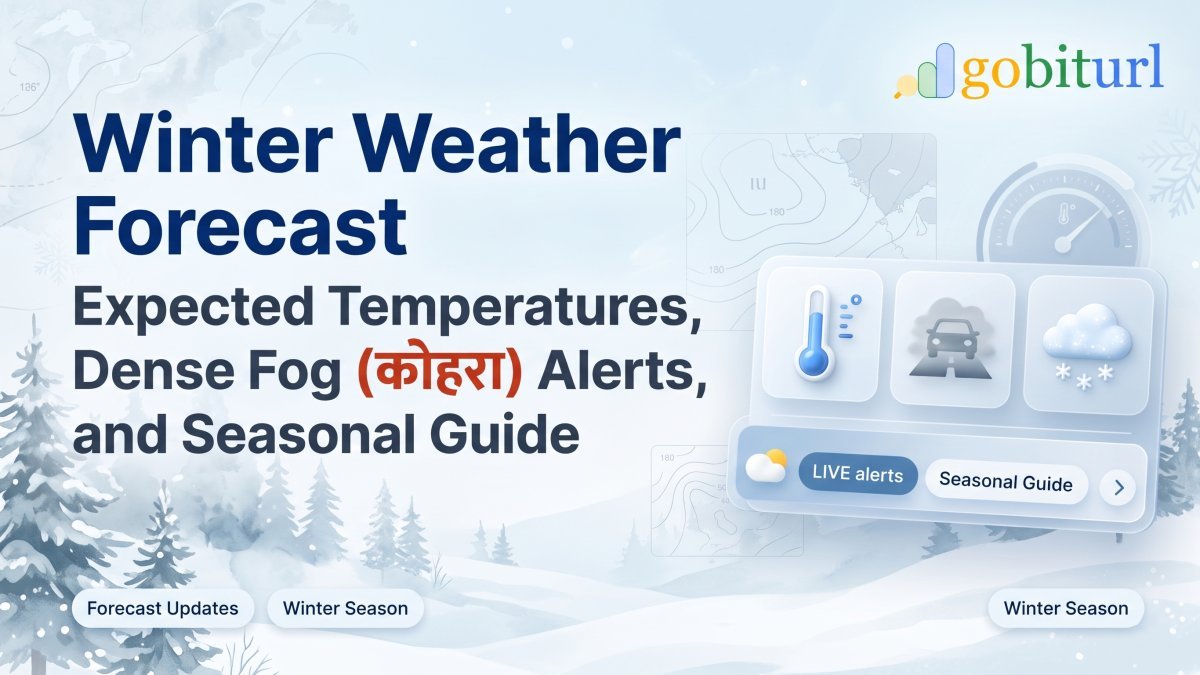
The chill in the air has officially arrived, and millions of commuters are already waking up to thick blankets of कोहरा (dense fog) across northern and central plains. Every year, the primary question on everyone’s mind remains the same: what will the temperature be in this winter season, and how severe will the cold wave get?
Whether you are planning winter travel, managing logistics, or sharing daily weather bulletins online, understanding this season's meteorological patterns helps you stay prepared and safe.
How Low Will Temperatures Drop This Winter Season?
Meteorological trends indicate a dynamic winter ahead, driven by fluctuating Western Disturbances and shifting Pacific ocean currents. Depending on your region, here is the expected temperature breakdown for the peak winter months (December through January):
- Northern Plains (Delhi, Punjab, Haryana, Uttar Pradesh, Bihar): Daytime highs will comfortably hover between 16°C and 21°C, while nighttime and early morning minimums are expected to dip between 4°C and 8°C. During peak cold wave spells, isolated pockets may experience minimums dropping to 2°C to 3°C.
- Central & Eastern India (Madhya Pradesh, Odisha, West Bengal, Jharkhand): Expect moderate, pleasant afternoons around 22°C to 26°C, with crisp nighttime lows ranging from 9°C to 14°C.
- Himalayan & Hilly Regions (Himachal Pradesh, Uttarakhand, Kashmir): Sub-zero nighttime temperatures between -5°C and 2°C will accompany regular snowfall spells in higher altitudes, triggering icy winds down toward the plains.
- Western & Southern Regions: Coastal and southern states will see mild winter conditions, with minimum temperatures staying comfortable between 17°C and 22°C.
Understanding Winter Fog (कोहरा) and Visibility Patterns
Alongside falling mercury, कोहरा (radiation fog) becomes the biggest disruptor of the winter season. When nights are clear and winds are calm, the ground cools rapidly after sunset. This chills the moist air just above the surface, condensing water vapor into a dense, ground-level cloud.
Peak Fog Timings and Impact:
- 4:00 AM to 9:00 AM: Visibility frequently drops below 50 meters during "very dense fog" events, causing highway slowdowns and delays in rail and flight schedules.
- Smog Trap: In urban centers, cold air acts as a lid (thermal inversion), trapping dust and vehicle emissions near the ground until the afternoon sun warms the surface.
Essential Safety Tips for Navigating Cold Waves and Fog
- Use Low-Beam Headlights and Fog Lamps: High beams reflect off water droplets in कोहरा, creating glare and reducing visibility further. Always stick to low beams and maintain double the normal braking distance.
- Layer Strategically: Instead of wearing one heavy jacket, wear three lighter layers (a moisture-wicking base, an insulating fleece or wool mid-layer, and a windproof outer shell) to trap body heat effectively.
- Check Live Weather Links Before Commuting: Highway visibility and train timings change by the hour during peak winter mornings. Always verify satellite updates before stepping out.
Share Real-Time Weather Forecasts Faster with GoBitURL
During extreme winter weather and heavy कोहरा alerts, sharing timely information with family, employees, or social media followers is critical. However, official meteorological radar links, satellite map URLs, and live highway traffic trackers are often long, cluttered, and difficult to share via SMS or social stories.
With GoBitURL (https://gobiturl.com), bloggers, news publishers, and businesses can instantly transform long weather radar links and travel advisories into clean, branded, and trackable short URLs.
- Instant Sharing: Turn bulky satellite forecast URLs into compact links perfect for WhatsApp broadcasts, X (Twitter) alerts, and SMS notifications.
- Click Analytics: Track how many readers are clicking your seasonal guides and weather updates in real time.
- Higher Trust & CTR: Clean, customized links boost user confidence and improve click-through rates across all your winter blog campaigns.
Stay warm, keep an eye on the daily barometer, and use smart digital tools to keep your community informed all winter long!
Frequently asked questions
How low will the temperature drop in this winter season?
During peak winter (December and January), minimum nighttime temperatures across the Northern Plains are expected to drop between 4°C and 8°C, with severe cold wave spells pushing the mercury down to 2°C to 4°C in isolated pockets. Central and Eastern regions will experience comfortable lows between 9°C and 14°C, while Himalayan states will see sub-zero temperatures ranging from -5°C to 2°C.
What causes dense fog (कोहरा) during the winter months?
Winter कोहरा (radiation fog) forms when clear skies and calm winds allow the ground to cool rapidly at night. This chills the moist air directly above the soil, causing water vapor to condense into tiny suspended droplets. According to meteorological standards, "dense fog" occurs when visibility drops between 50 and 200 meters, and "very dense fog" is declared when visibility falls below 50 meters.
Which months have the heaviest winter fog and cold wave alerts?
While early morning mist begins in November, large-scale episodic dense कोहरा and severe cold waves peak between mid-December and late January. During this window, Western Disturbances bring moisture and icy winds from the Himalayas, frequently disrupting road, rail, and flight schedules.
What is the difference between winter fog (कोहरा) and smog?
Pure fog consists of natural water droplets condensed in cold air. Smog occurs when cold winter air creates a thermal inversion (acting like a lid) that traps particulate matter (PM2.5 and PM10), vehicle exhaust, and smoke near the ground, mixing with natural fog to reduce both visibility and air quality.
How can I easily share live weather forecasts and fog advisories on WhatsApp or SMS?
Official meteorological radar maps and highway traffic trackers often generate very long, broken URLs. You can paste those long weather links into GoBitURL (https://gobiturl.com) to instantly create a clean, short, and trackable link that fits neatly into SMS alerts, WhatsApp broadcasts, and social media updates.
Keep reading
More stories you might like.
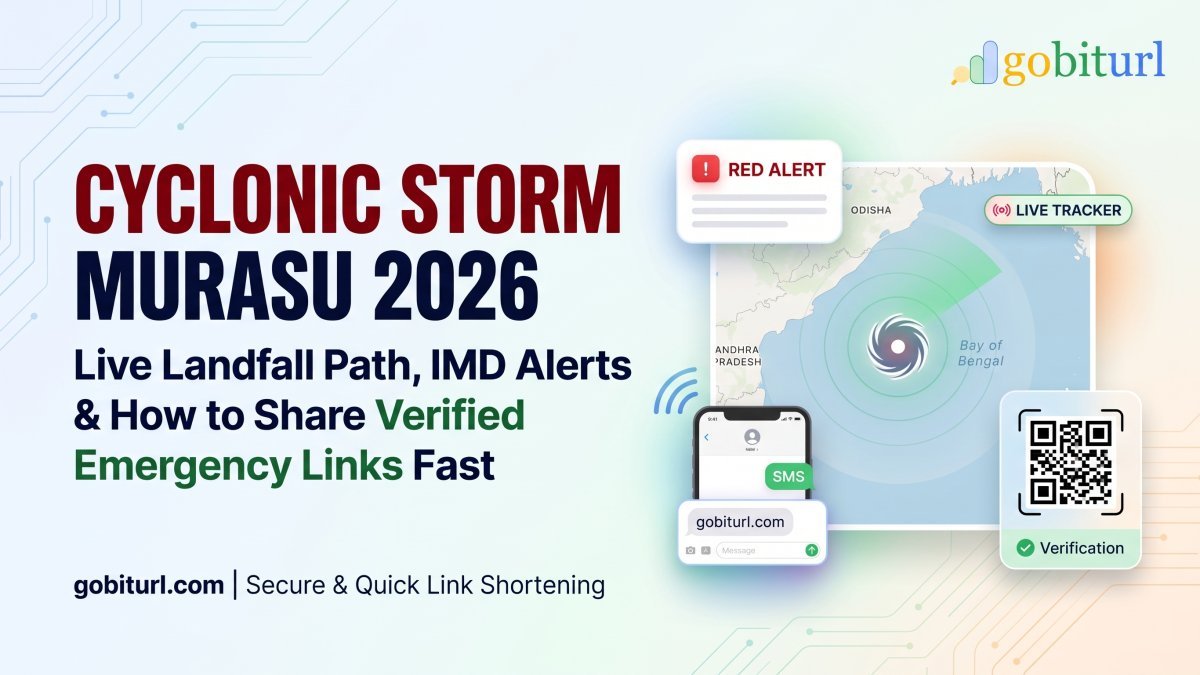
Cyclonic Storm Murasu 2026: Live Landfall Path, IMD Alerts & How to Share Verified Emergency Links Fast
Cyclonic Storm Murasu is intensifying over the Bay of Bengal, with landfall projected between Nellore and Narsapur at up to 120 kmph. Track the latest IMD alerts for Andhra Pradesh, Odisha, and Tamil Nadu, and learn how smart short links and QR codes keep emergency updates accessible on low-bandwidth networks.
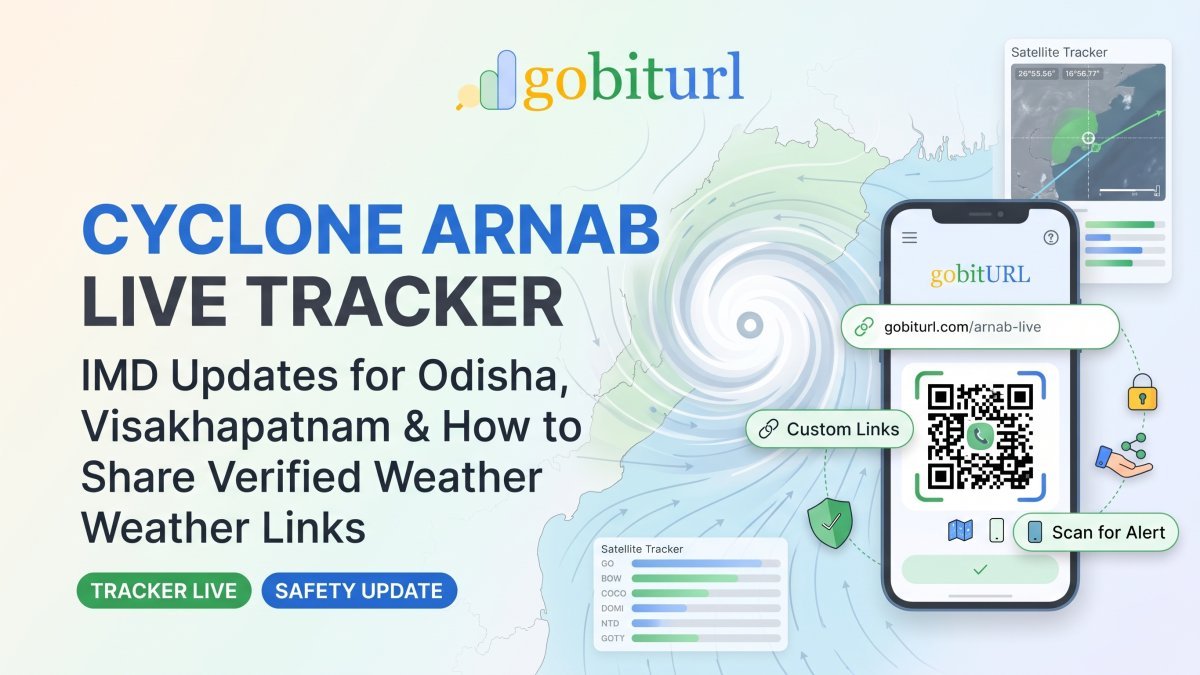
Cyclone Arnab Live Tracker: IMD Updates for Odisha, Visakhapatnam & How to Share Verified Weather Links Safely
Very Severe Cyclonic Storm Arnab is approaching the Andhra Pradesh and South Odisha coasts. Get the latest IMD cyclone tracker updates, Visakhapatnam and Hyderabad weather forecasts, live satellite link resources, and learn how to share verified emergency alerts safely using GoBitURL short links and QR codes.
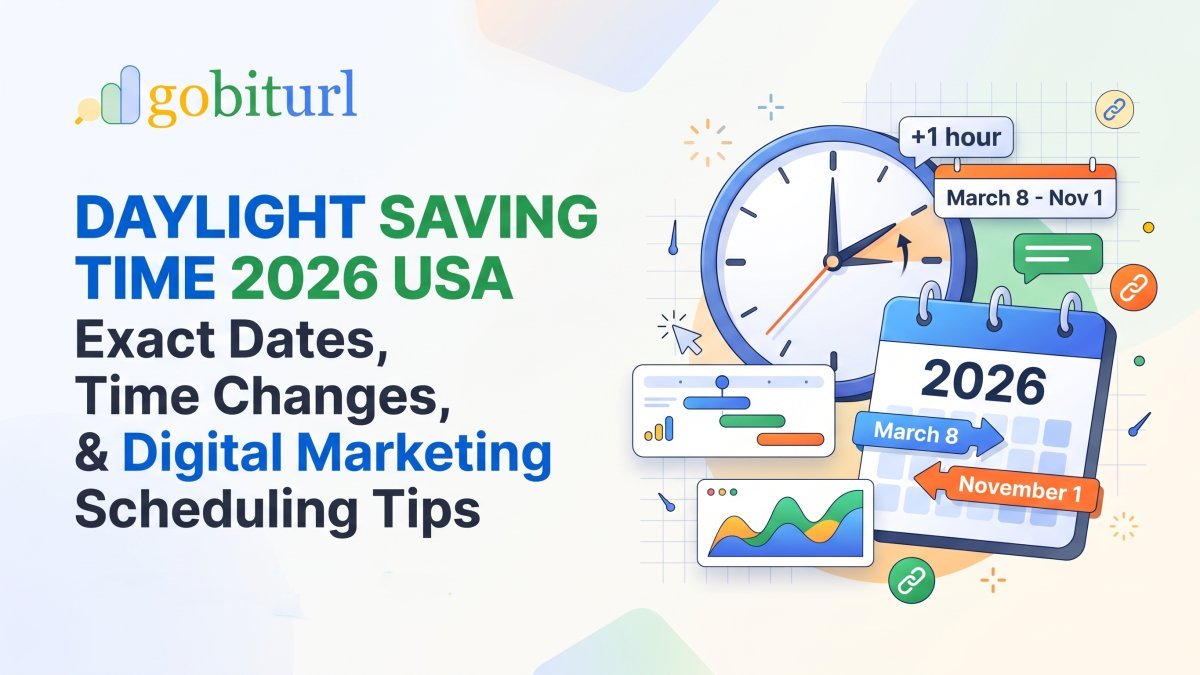
Daylight Saving Time 2026 USA: Exact Dates, Time Changes, and Digital Marketing Scheduling Tips
Daylight Saving Time in the USA begins on Sunday, March 8, 2026, and ends on Sunday, November 1, 2026. Discover the exact clock-change schedules, state exceptions, and how time shifts impact your global link management and marketing campaigns on GoBitURL.
Enjoyed this? Try the tool.
Shorten links, make QR codes and see who clicks — free.
0 Comments
Be the first to comment.
Leave a Comment